Lawn & Garden
Watering Tips for Your Landscape and Garden

Tuesday, 08/18/2026
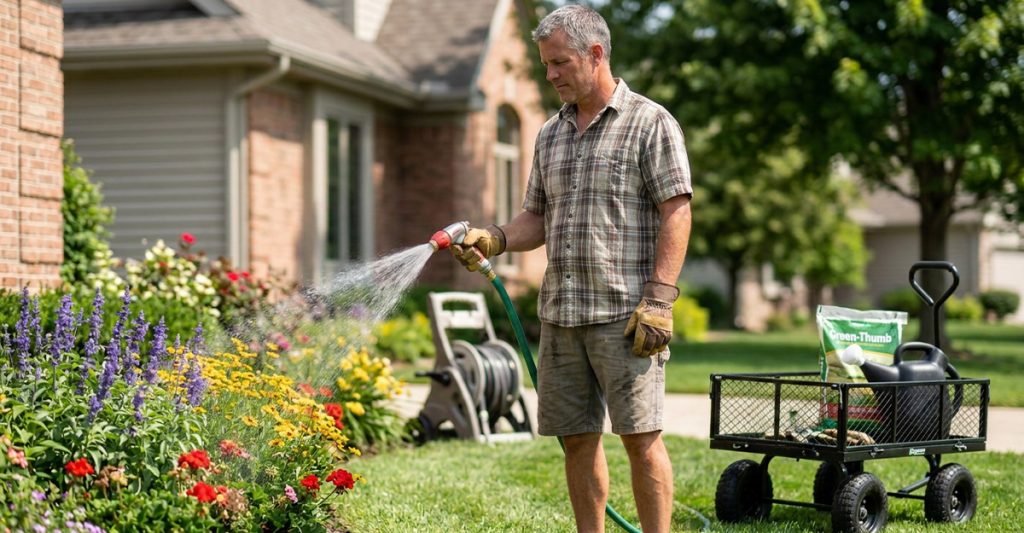
Watering lawns, vegetable gardens, flowers and shrubs should be done in a way that provides the right amount of water they need to thrive, minimizes the time involved and conserves water.
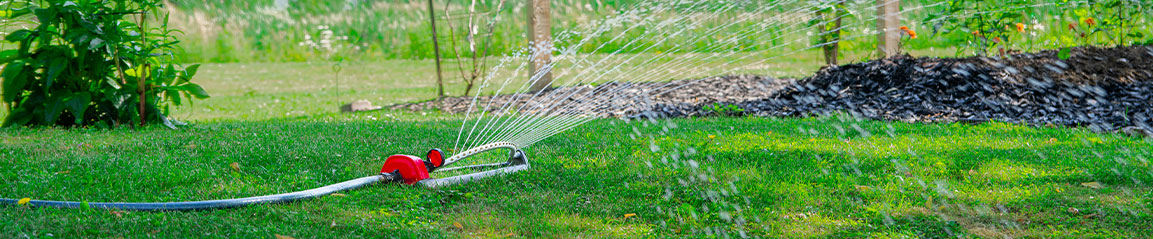
Basic Tips for All Areas of Your Landscape and Garden:
Determine when watering is needed by checking soil moisture. If soil feels dry at a depth of 1 to 2 inches, it is time to water. Soil type will also impact how frequently you need to water. Sandy soil will dry out more quickly than clay soil.
Water the root zone, not the foliage. Roots absorb the water and foliage does not provide water the plant can readily use. Also, wet foliage can be more susceptible to disease. Water with a low force: a gentle shower is ideal. High water pressure can displace soil and damage roots. Use an adjustable garden hose nozzle with a shower or soaker option.
Water slowly, deeply and infrequently to promote deep roots and improve drought tolerance.
The best time to water is in the morning. This practice ensures plants are hydrated through the hottest part of the day and allows any wet foliage to dry quickly in the morning sun.
To determine whether you have watered enough, the root zone of the plant should be thoroughly wet. The soil should be moist to a depth of 5 or 6 inches. Dig a small hole in the soil and check.
Don’t overwater. Check the soil moisture frequently but only water when the soil feels dry 1 to 2 inches down.
If you use sprinklers, drip irrigation systems or soakers hoses a water timer can be a helpful tool to optimize the duration of watering and avoid running water unnecessarily.
Mulch can be used in most garden settings, even containers, to conserve soil moisture and reduce the frequency of watering.
Make sure you have someone water your plants and garden if you are away for more than a few days.
How to Water…
Annuals and Container Plants
Soil in containers dries out more quickly than ground soil and needs to be checked every day. Water when dry, as much as daily during the hot days of mid-summer, and even twice a day if the container has a lot of sun exposure. Clay pots will dry out more quickly than plastic or glazed planters.
For annual plants in ground soil test to see if the soil is dry to the touch at a depth of 1 to 2 inches before watering.
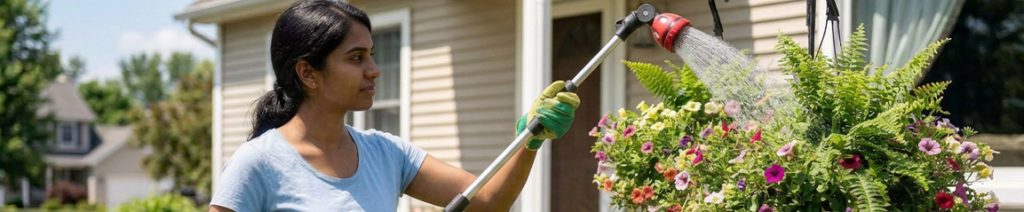
Vegetable Gardens
Vegetable gardens need about 1 inch of water a week, either from rainfall or applied. Watering can be extended over a few days during the week to meet the “1-inch” recommendation. Measure rainfall or the depth of water delivered to the soil with a rain gauge or shallow container.
Concentrate water at the roots and avoid watering outside the root zone to help reduce the growth of weeds.
Water needs are greater for plants when they are young, flowering and developing fruit (or developing roots in the case of root vegetables). Signs of drought stress are leaf curling or rolling, and scorched leaf margins.
Perennials
Water at the base of the plant, focusing on the root zone. If plants are very dry, apply water to moisten the soil around the roots and return 15 to 30 minutes later to water again and let it soak in.
Check the root ball of newly planted perennials and the surrounding soil and water when dry. New plants will need more frequent watering and should be flagged or labeled to make sure they receive enough water.
Plants that wilt during the day don’t necessarily need more water. Some plants wilt to conserve moisture and perk up in the evening. Check the soil moisture before watering.
Established perennial gardens should only need water during dry periods. Watering once a week in dry weather should be sufficient but always check the soil first.

Lawns
Lawns need 1 to 1 ½ inches of water per week to remain green and healthy. Ideally, the water should be applied in one application or in two applications 3 to 4 days apart. Rain gauges or shallow containers can be used to measure the amount of water applied.
Watering early in the morning allows water to soak into the soil and prevents evaporation.
It is possible to let grass go dormant during dry periods for as long as 4 to 6 weeks without damaging the lawn. After that time lawns are at risk of dying and should be watered 1 to 1 ½ inches, and again 7 days later.
Newly seeded lawns will need to be watered once or twice a day. The top 1 inch of the soil should be kept moist. When the turfgrass is 1 to 2 inches high, the frequency of watering can be gradually reduced, and water should then be applied more deeply. After the new grass has been mowed 2 to 3 times watering once a week should be sufficient.
Watering Trees & Shrubs
New trees and shrubs should be watered daily for 1 to 2 weeks after planting, then every 2 to 3 days for weeks 3 to 12. After 12 weeks the trees and shrubs should be watered weekly, or when soil feels dry at a depth of 6 inches, until roots are established. Roots are established when the root spread equals the spread of the above ground canopy, which can take 2 growing seasons.
Trees and shrubs in general should be watered when soil feels dry at a depth of 6 inches. Enough water should be applied to the root area to restore moisture at 6-inch soil depth. Cover as much of the root area as possible, not just the base of the trunk. Watering should be done in the early morning to minimize the amount of water lost to evaporation.
During periods of drought, prioritize watering young trees, then shrubs. Large mature trees and shrubs do not need to be watered unless the drought is severe or they begin to wilt.
Evergreens should be watered deeply in the fall before the ground freezes if precipitation has not been sufficient to keep the soil moist. Evergreens lose water in winter and if the soil is dry, the trees can turn brown and die.
Chapin Watering Products: Our Customer Favorites
Watering cans
are simple tools great for hydrating container plants and small gardens. Mix in fertilizer, weed or pest control products to do two tasks at once.
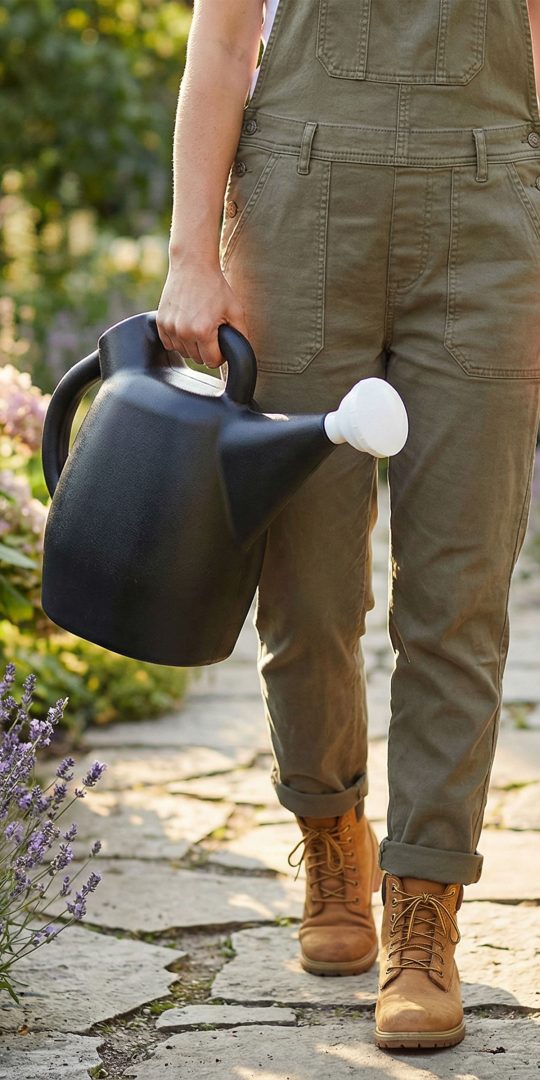
Chapin’s 2- Gallon Watering Can is designed to make watering easy with consistent flow.
* Rear opening at the top for easy filling
* Two handles, one for carrying it upright (no spilling!) and one for pouring
* Tru-Stream shower nozzle lets water flow evenly
* Rubber gasket in the shower head eliminates leaks
* Removable nozzle to switch between watering with a shower or stream, and to easily clean the nozzle
* Made of 100% recycled material in the USA!
* Available in 3 different colors: black, green, blue

The Chapin ½ Gallon Watering Can has nearly the same design as our 2-gallon model, with a tapered spout ideal for small containers and indoor plants.
* Rear opening at the top for easy filling
* Two handles for carrying and pouring
* Compact size: fits in a cupboard or closet and can be filled in the sink
* Made of 100% recycled material in the USA!
* Available in 5 different colors: black, green, blue, rose and sky blue
Hose nozzles
can reach into gardens, cover large areas and offer adjustable spray streams. Use a gentle to moderate spray stream targeted to the roots of the plant. Avoid blasting your plants with water to avoid damaging roots and foliage and washing away soil.
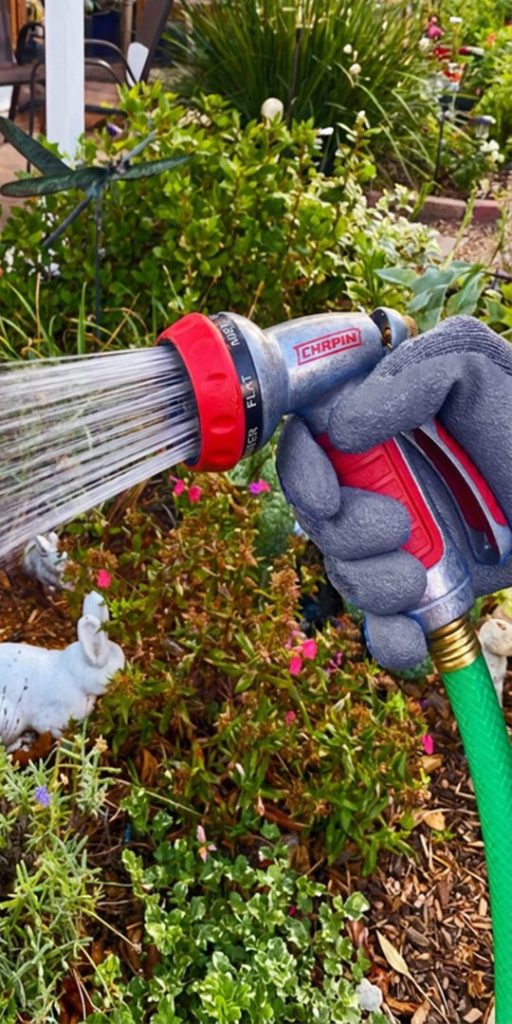
The Chapin 4610 Professional Heavy Duty 7-Way Hose Nozzle offers durability and versatility.
* 7-pattern nozzle: center, flat, mist, shower, full, jet, cone
* Leak-proof design
* Insulated rubber grip
* Brass flow control nozzle adjusts water pressure
* Metal construction

Chapin’s 4608 Adjustable Cone Tip Garden Hose Spray Nozzle provides comfort and flexibility when watering.
* Comfort grip with rear trigger
* Adjustable tip delivers spray streams from mist to a jet
* Brass flow control nozzle adjusts water pressure
Watering wands
extend your reach into gardens, landscapes and containers, making it easier to target the base of the plant. They offer adjustable spray streams to control the spray pattern and water flow.
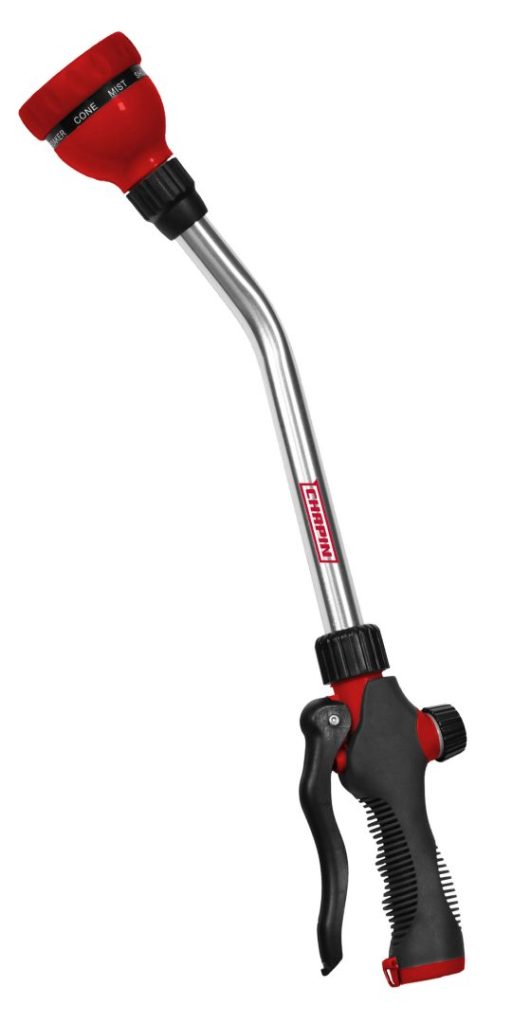
Chapin’s 4672 18-inch Watering Wand with 8 Pattern Nozzle extends your reach, is flexible and comfortable to use.
* 18-inch length
* 8-pattern nozzle: shower, full, jet, center, mist, cone, soaker, flat
* 180-degree adjustable spray head
* Sprays up to 35 ft. at 40 psi water pressure
* Water pressure dial on handle
* Lock-on clip at base of trigger
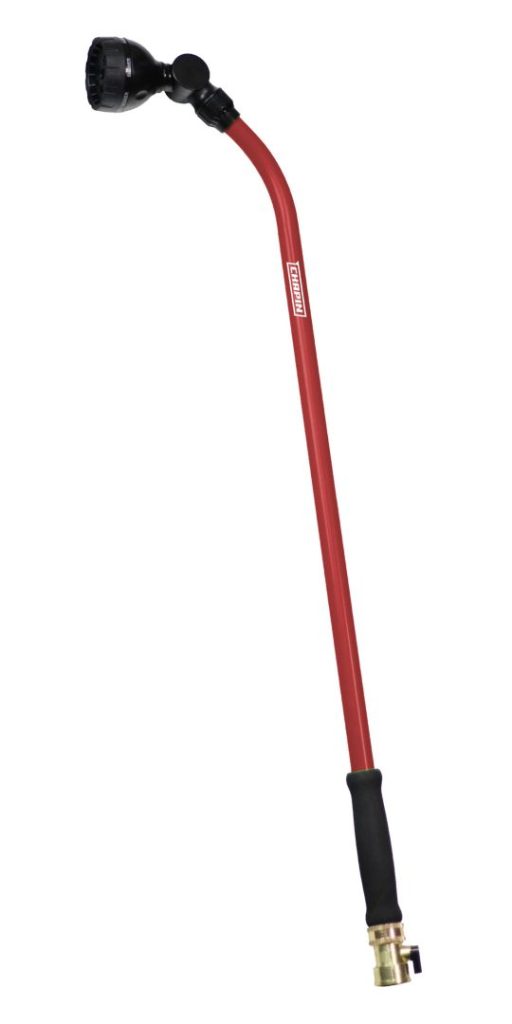
Chapin’s 4671 30-inch Watering Wand with 7-Pattern Nozzle makes it easy to direct water to the roots of your plants with an optimal spray stream.
* 30-inch length
* 7-pattern nozzle: rinse, shower, soaker, flat, mist, bucket filler, power wash
* 180-degree adjustable sprayer head
* Sprays up to 35 ft. at 40 psi water pressure
* Comfort grip
* Shut-off with ball valve at base of wand
Hose-end Sprayers
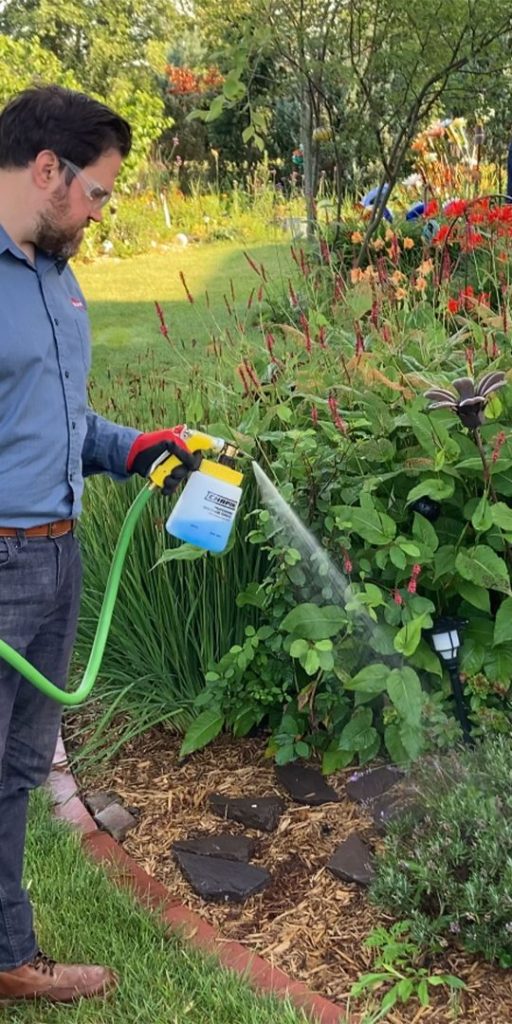
Chapin’s G364D 32 oz. Metered Hose End Sprayer does double duty, allowing you to water and apply fertilizer or pest control products at the same time. You can cover lots of ground with this sprayer.
* 32 oz. chemical resistant tank
* Spray up to 320 gallons per fill, mixes in the chemical as you spray
* Metering dial with 16 different mixing ratios
* Anti-siphon valve prevents backflow of chemicals into your hose and water supply
Sprinklers
cover widespread or targeted areas of lawn, landscape borders and gardens. These watering tools allow you to soak the soil when intermittent watering is required.
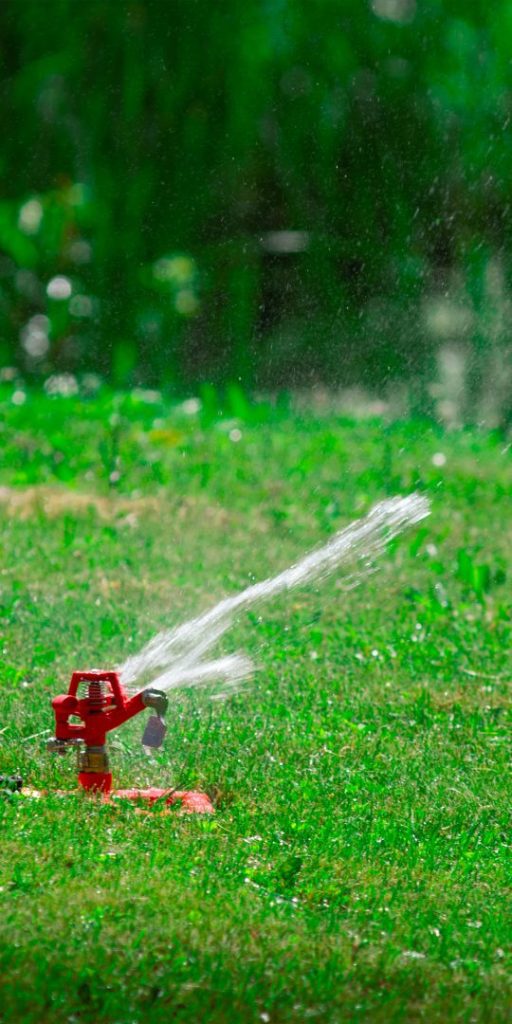
The Chapin 4980 Platform Impact Sprinkler has up to 360-degree rotation and a coverage range of 85 ft.
* Spray distance covers a surface area up to 5,650 square feet
* Adjustable radius to target areas from 20 degrees to a full 360 degrees.
* Solid metal base and impact resistant components
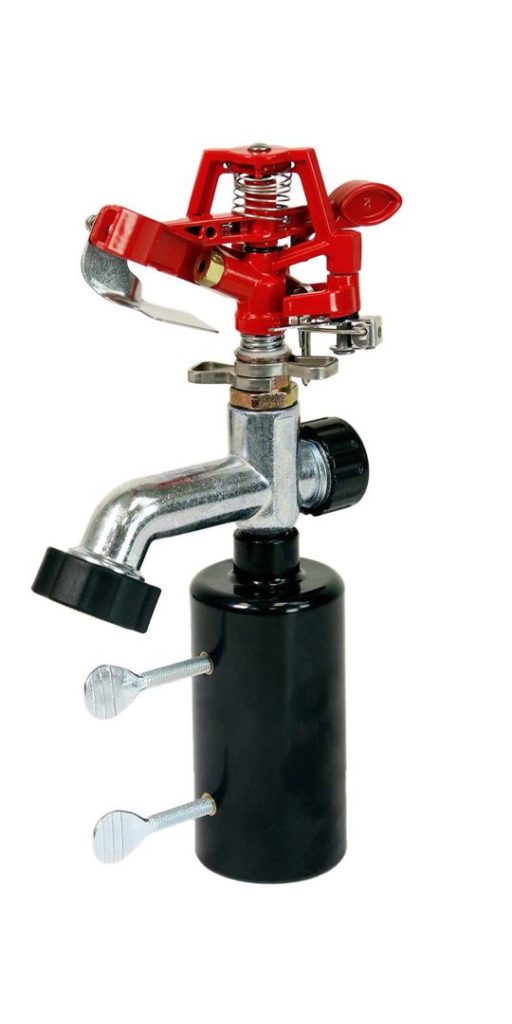
Chapin’s T-Post Impact Sprinkler mounts to a T-post for stability and provides extensive coverage with 360-degree rotation.
* T-post design ensures the sprinkler will not tip or be moved out of place
* Spray stream extends 85 feet and covers an area of 5,650 square feet
* Easy access hose connection
* Sprinklers can be connected in series to cover a larger area
Water timers
automate watering so you don’t have to spend the time directly delivering water to your plants with a hose and nozzle or watering can. Timers can be paired with sprinklers, sprinkler systems, drip irrigation systems and soaker hose. Duration and frequency of watering can be scheduled and adjusted depending on rainfall.
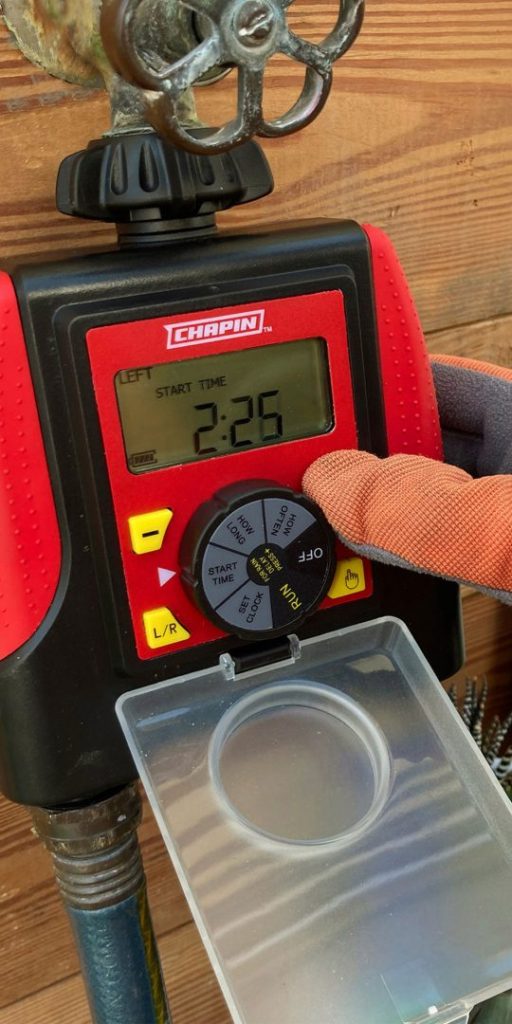
The Chapin 41003 Dual Zone Water Timer allows you to set the frequency and duration of watering in two different zones.
* Duration of watering: 1 to 360 minutes
* Frequency of watering: 1, 2, 4, 12 hours and 1 to 7 days
* Delay options: 24, 48 and 72 hours
* Fits outdoor faucets with ¾ inch thread
* Rain and moisture sensor can be connected
ATV Sprayers
When your faucet is too far away, your hose doesn’t reach far enough, and you don’t have an inground sprinkler system you need to bring water to your plants in a different way. ATV sprayers can be mounted on ATVs, UTVs or lawn tractors and driven to areas that need water. ATV sprayers are typically used for fertilizing, weed and pest control, and there is no reason you can’t use them for watering too. The long hose provides extensive reach.
Water storage tanks are another option. They can be placed in a standard duty cart or mounted on a vehicle or trailer. Water is accessed through the drain port. Plants may also be watered through a gravity fed drip irrigation system with a hose.
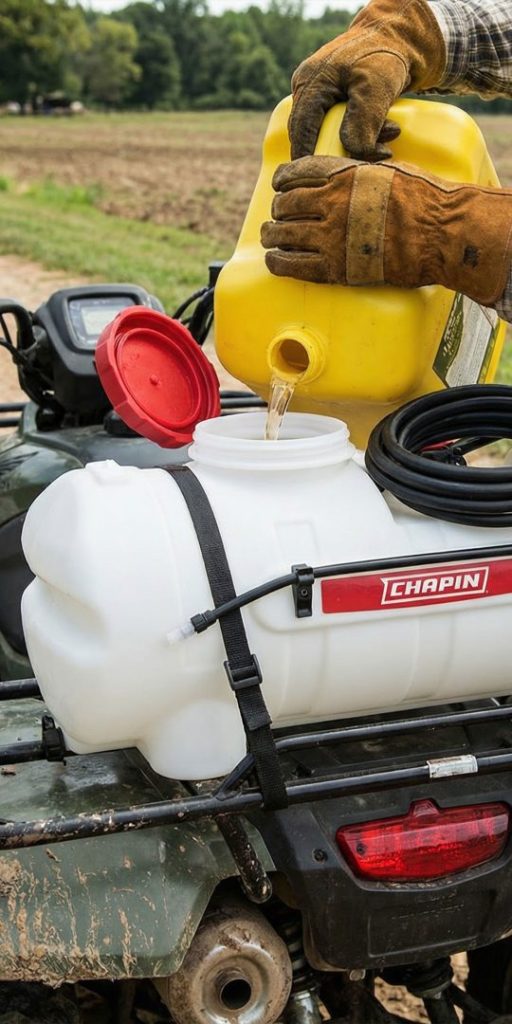
Chapin’s 15-Gallon Spot Sprayer can be easily mounted to a lawn tractor, ATV or UTV and driven to the area that needs to be watered.
* 15-gallon chemical resistant tank
* 12V 1.0 GPM diaphragm pump
* 15-foot reinforced hose
* Filters in the tank and shut-off
* Adjustable spray wand nozzle
* Delivers a consistent and even spray

Chapin’s 97004 15-Gallon Water Storage Tank can be mounted on a truck, tractor, trailer or cart and delivered to wherever the water needs to go.
* 15- gallon capacity
* Translucent tank: fluid level is visible
* 6-inch opening makes filling easy
* 1-inch drain
* Tank can be elevated, a hose attached to the drain port, then connected to a drip kit to create a gravity flow drip irrigation system
Sources
Iowa State University: Watering Tips for the Garden, Lawn, and Landscape
University of Minnesota Extension: Watering Newly Planted Trees and Shrubs